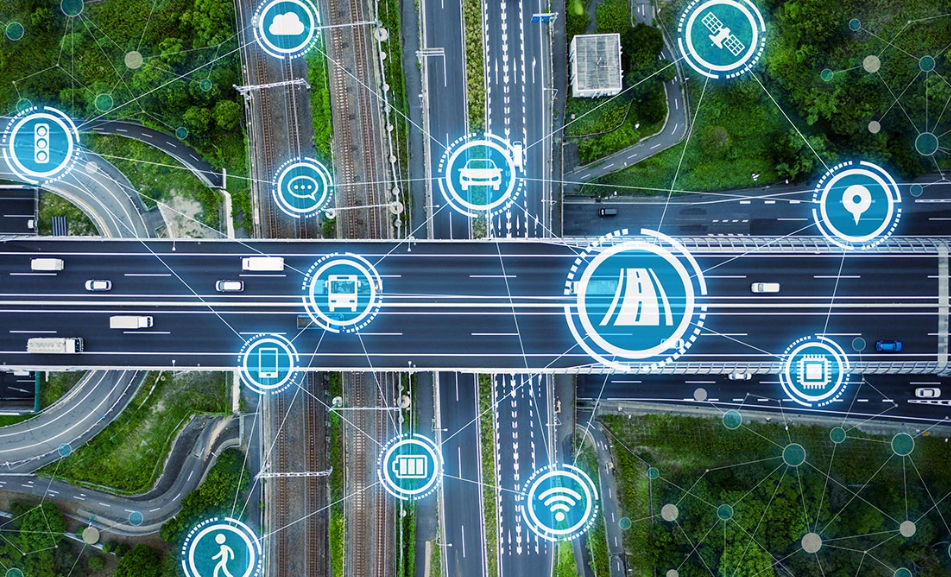
Smart technology in public safety offers data-driven decisions, real-time insights, and scalable systems that improve incident prioritization and response. Real-time data, drones, and interoperable platforms enable coordinated action across agencies while maintaining governance and privacy safeguards. Independent audits and community engagement build trust, even as costs and ROI considerations require clear measurement. The result is ongoing collaboration and optimization that balance safety with civil liberties, prompting stakeholders to weigh implications and next steps as the landscape evolves.
How Smart Tech Elevates Public Safety Outcomes
Smart technology enhances public safety outcomes by enabling faster, data-informed decisions across agencies. The approach emphasizes data governance to ensure accurate analytics, sensor reliability for trustworthy signals, and scalable infrastructure that supports digital equity.
Collaboration among departments and communities fosters ethical deployment, aligning risk assessment with transparent communication while preserving civil liberties, data privacy, and operational agility essential to responsible, freedom-respecting public safety progress.
Real-Time Data, Drones, and Interoperability in Action
Real-time data streams, aerial drones, and interoperable systems are being integrated to produce timely, actionable insights across public safety operations.
Real time data informs incident prioritization, drones extend situational awareness, and interoperability in action enables cross-agency coordination.
This approach emphasizes measurable outcomes, data-driven decision-making, and collaborative workflows, empowering agencies to act swiftly while preserving individual freedoms and community trust.
Safeguards, Privacy, and Community Trust
This approach emphasizes privacy safeguards and fosters community trust through independent audits, stakeholder engagement, and measurable transparency, enabling responsible adoption while preserving rights, reducing risk, and sustaining public confidence in smart safety initiatives.
From Investment to Impact: Measuring Value and ROI
From investment to impact, evaluating value and ROI in public safety technology requires translating initial spend into measurable outcomes such as response times, incident resolution rates, and community risk reduction.
This framework supports cost benefit analysis and transparent risk management, enabling cross-sector collaboration, data-driven decision making, and ongoing optimization that aligns technology deployment with public safety goals and freedom to innovate.
Frequently Asked Questions
How Is Cost Effectiveness Measured for Smart Safety Tech?
Cost effectiveness is measured by comparing total cost savings from improved outcomes and efficiency against upfront and ongoing expenditures, often via pilot programs to validate performance, scalability, and return on investment before broader deployment.
What Training Do Officers Need for New Systems?
Officers require structured training essentials aligned with system onboarding, including scenario-based drills, data interpretation, and interoperability checks, to ensure proficiency, safety, and autonomy; programs emphasize measurable outcomes, peer collaboration, and continuous skill refinement across all precincts.
How Is Data Accuracy Validated Across Agencies?
Data accuracy is validated through rigorous data governance and adherence to interoperability standards; agencies audit, compare, and reconcile datasets, benchmarking against common metrics, interoperable schemas, and cross-jurisdictional validation to sustain trust, transparency, and collective law enforcement efficacy.
Do Smart Tools Replace Human Decision-Making?
Smart tools do not replace human decision-making; they augment it. In smart governance, decision-makers rely on data insights while maintaining oversight, ensuring bias mitigation and collaborative judgment alongside professional expertise and accountability.
How Are Public Safety Tech Deployments Scaled Locally?
Public safety tech deployments scale locally through controlled scaling pilots, rigorous data assessment, and iterative refinements. They emphasize community engagement, cross-agency collaboration, and transparent reporting, enabling jurisdictions to balance autonomy with shared standards and measurable outcomes.
Conclusion
The evidence suggests that smart technology can measurably improve public safety when deployed with disciplined governance, interoperable systems, and strong community engagement. Real-time data, drone-enabled situational awareness, and coordinated analytics drive faster, more informed decisions across agencies. Yet benefits hinge on transparent risk management, independent audits, and ongoing ROI tracking. When stakeholders collaborate—balancing privacy with performance—the theory that data-driven, integrated tech elevates outcomes becomes not just plausible but increasingly observable in practice.
